
Mapping Jason DaSilva: The Filmmaker Who Turned the Camera on Himself, and Changed How Disability Gets Told
Emmy-winning filmmaker and leading voice for disability representation, accessibility and inclusive storytelling, known for directing the "When I Walk", and for founding and leading AXS Lab, AXS Map, and the AXS Film Fund.
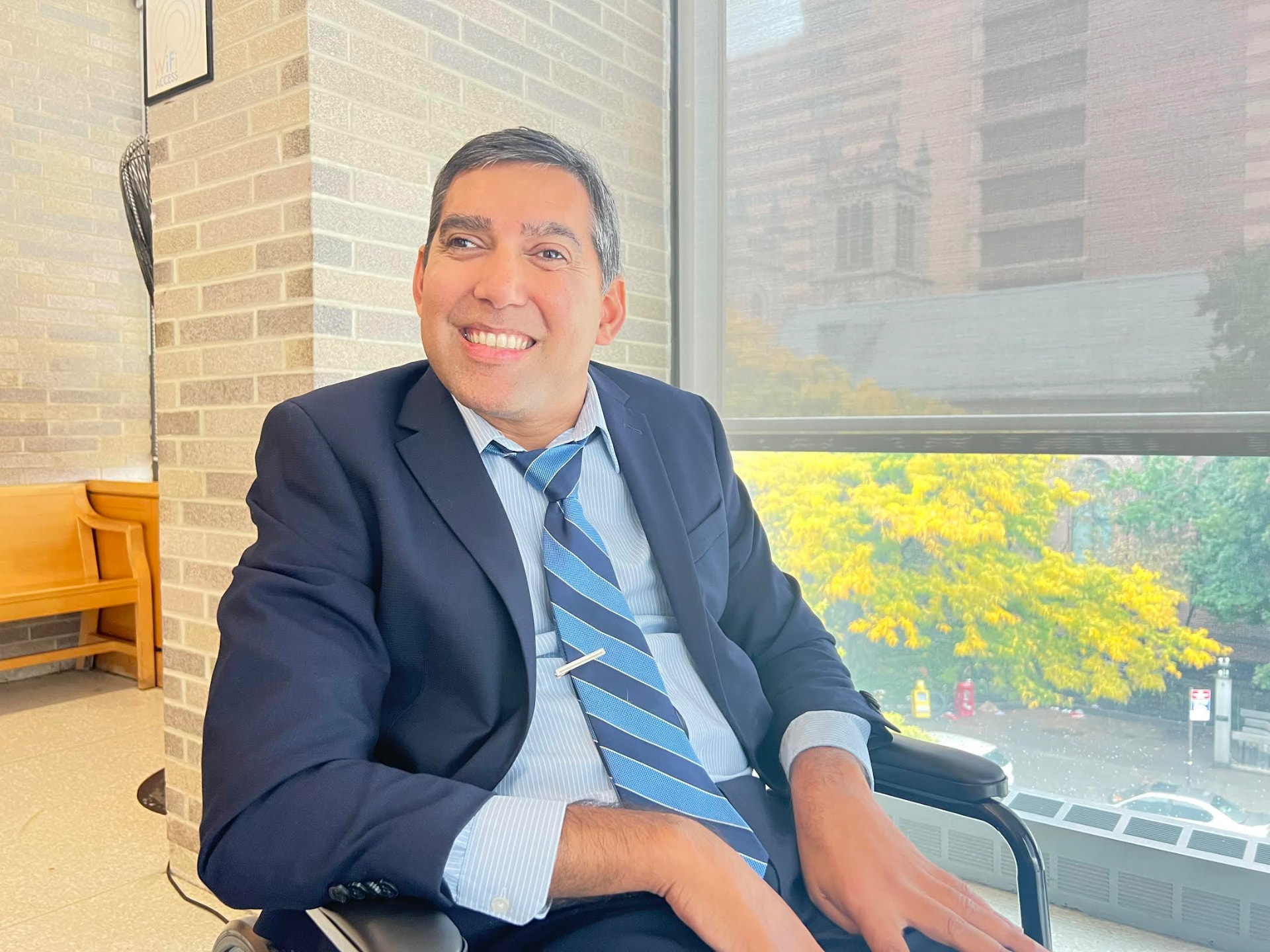
New York — Jason DaSilva was 25 years old, a rising independent filmmaker who had already shown work at Sundance, when he collapsed on a beach and could not get up. Months earlier, doctors had told him he had primary progressive multiple sclerosis (PPMS), a form of the disease that moves in one direction only: worse. DaSilva did what he knew how to do. He picked up a camera and pointed it at himself.
This launched him on a journey across two decades, with many highs: many of life’s greatest moments from marriage and the birth of a son to the Emmy Awards, and many lows: including the limitations, isolation and loneliness of disability, to family separation and a fight to fully participate in family life, and much in between.
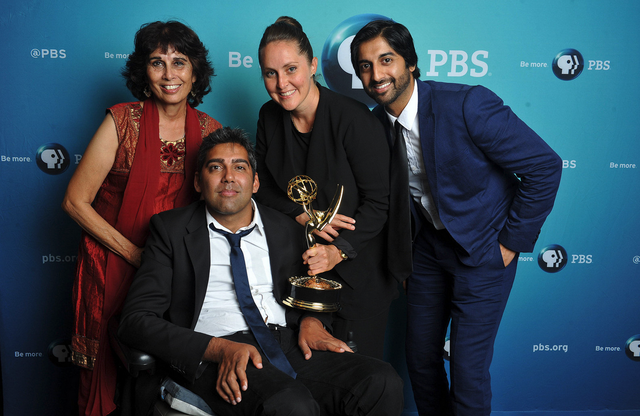
The decision to turn the camera on himself became When I Walk, an 84-minute documentary that followed DaSilva over seven years as he went from cane to walker to wheelchair, and it would go on to premiere at the 2013 Sundance Film Festival, win Best Canadian Feature at the Hot Docs Canadian International Documentary Festival (2013), and accept a News & Documentary Emmy Award for Outstanding Informational Programming (2015).
Today, two decades after his diagnosis, DaSilva (age 48), living with quadriplegia, is one of the most consequential figures in American disability media: a filmmaker whose autobiographical work reshaped how disability is portrayed on screen.
He is the founder of nonprofit AXS Lab (officially established and granted tax-exempt status in New York in 2010, though founder Jason DaSilva traces its origins back to his earlier filmmaking work starting in 1996 and following his multiple sclerosis diagnosis in 2005. It is headquartered locally in Long Island City, New York), whose mission is to serve people with disabilities through media and technology.
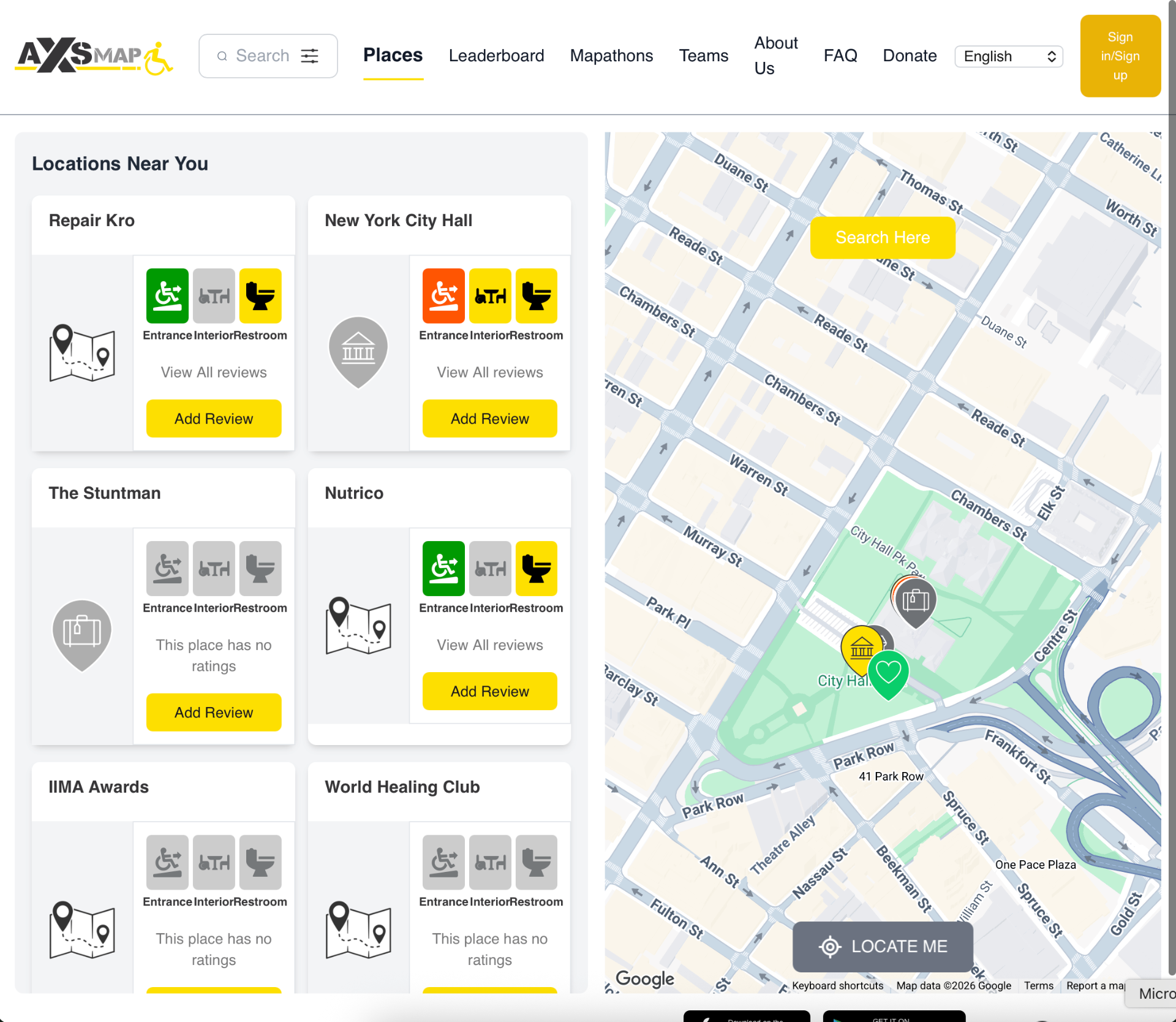
AXS Map is a crowd-sourced mapping system to rate and review business locations on their accessibility.
AXS Film Fund, another project that DaSilva has created, supports filmmakers with disabilities working on non-fiction documentaries.
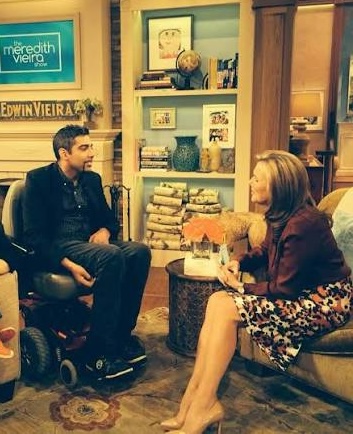
The Mayor's Office of Media and Entertainment presented a 2019 "Made in NY" Award to DaSilva at the IFP Gotham Awards. At the time, he was honored for directing four short films (Olivia's Puzzle, A Song For Daniel, Twins of Mankala, First Steps) and four feature-length documentary films (Lest We Forget, From the Mouthpiece on Back, When I Walk, and When We Walk). Many of these films received broadcasts on HBO, PBS and CBC. He was also recognized for his work on AXS Map. DaSilva has been a guest on the nationally-syndicated The Meredith Vieira Show (NBC Universal Television Distribution), CNN, NPR, and more.
From identity films to a life interrupted
DaSilva was born in Dayton, Ohio, the oldest of three sons born to parents from Kenya, East Africa, of Indian (Goa) heritage. He graduated from Emily Carr University of Art & Design in Vancouver, with a BFA in Intermedia, and a MFA in Media. Before MS entered his life story, his work (two feature-length projects and three short films) focused on ethnic identity retention and belonging. His short film Olivia's Puzzle premiered at the 2003 Sundance Film Festival and was Academy Award qualified. He went on to direct additional shorts: A Song for Daniel (2005) and Twins of Mankala (2006). His feature documentary Lest We Forget (2003) is about racial profiling after 9/11 and relating it to the Japanese internment during World War 2. The documentary From the Mouthpiece on Back (2008) follows a 9-piece New Orleans brass band whose members became separated after Hurricane Katrina.
DaSilva drew inspiration from a number of successful documentarians, each pioneers in their own ways, including Stanley Nelson, Errol Morris, Michael Moore, and the late Christine Choi.
His 2006 contribution to the 12-part series Shocking and Awful (a one-hour series with segments) was titled National Insecurities and investigated a grassroots response to war and the U.S. occupation of Iraq. It was exhibited at the Whitney Museum Biennial.
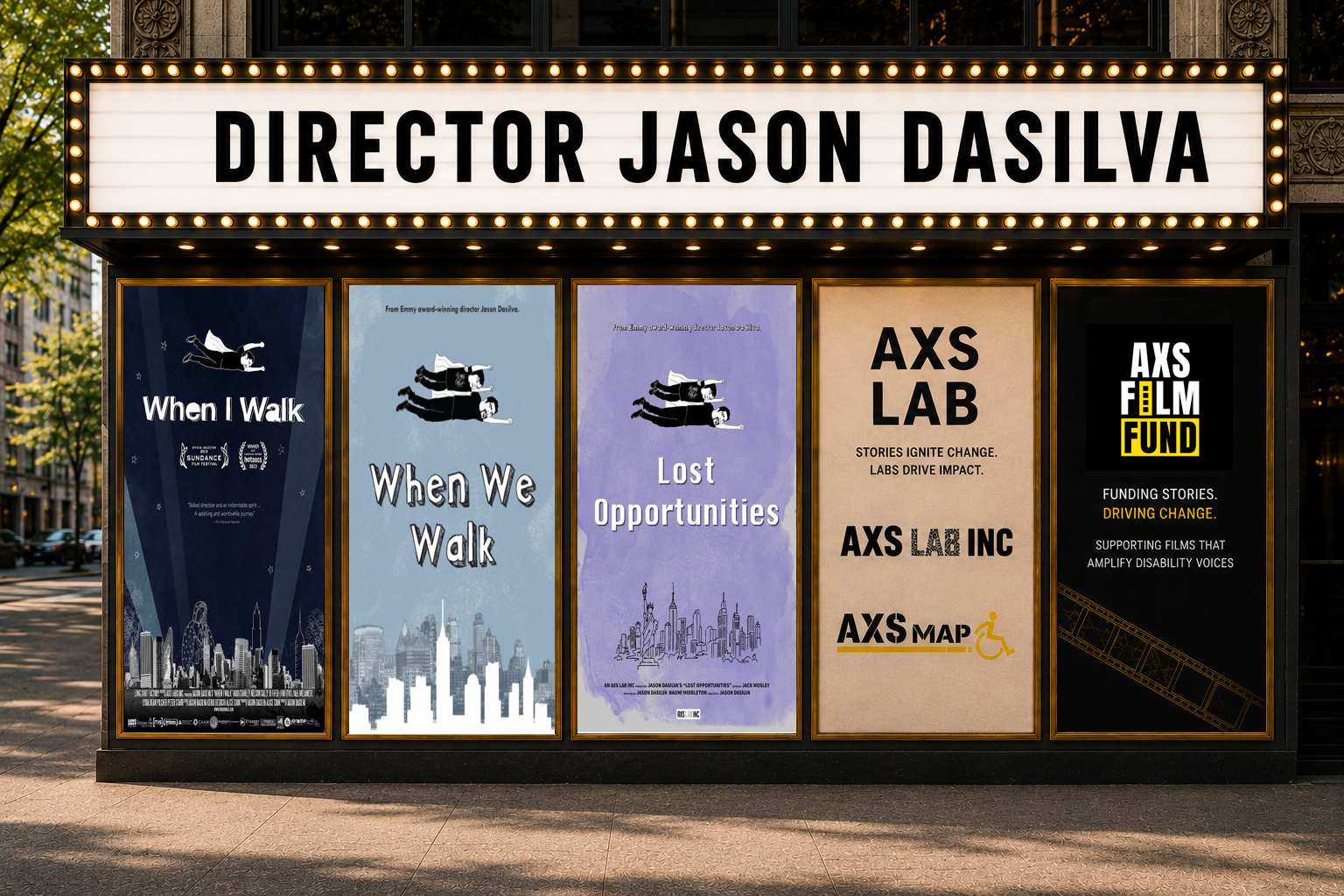
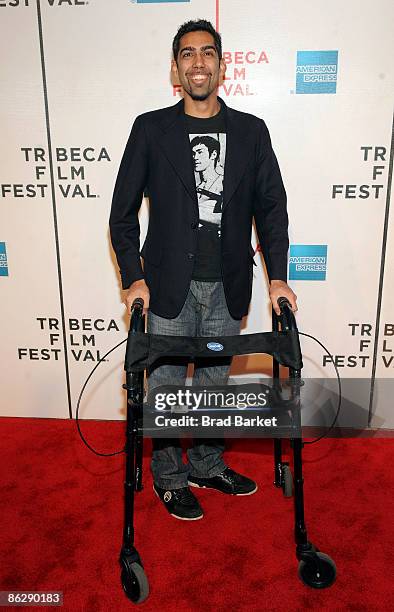
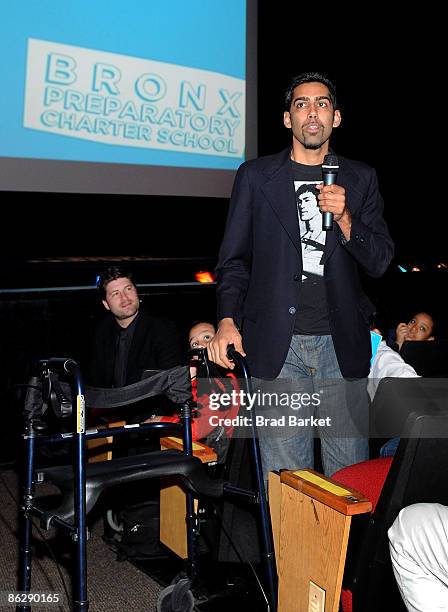
The MS diagnosis did not end that thread of impactful work so much as pull it inward. The short film First Steps, documenting DaSilva’s changing world across the first four years of his neurological disorder, had its world premiere in the shorts competition at the 2009 Tribeca Film Festival. This was followed by his 2013 Sundance premier When I Walk, and in 2019 by When We Walk, which picked up DaSilva's story years later as he fought to remain close with his young son, Jase, born in 2013.
When I Walk was named a Critics' Pick by The New York Times, the Los Angeles Times and The Village Voice, and was picked up as the opening film of the 2014 season of PBS's POV series. That same year, New Mobility magazine named him Person of the Year “for using his artistic talent and unique vision in a way that will benefit people with disabilities now, and for a long, long time to come.”
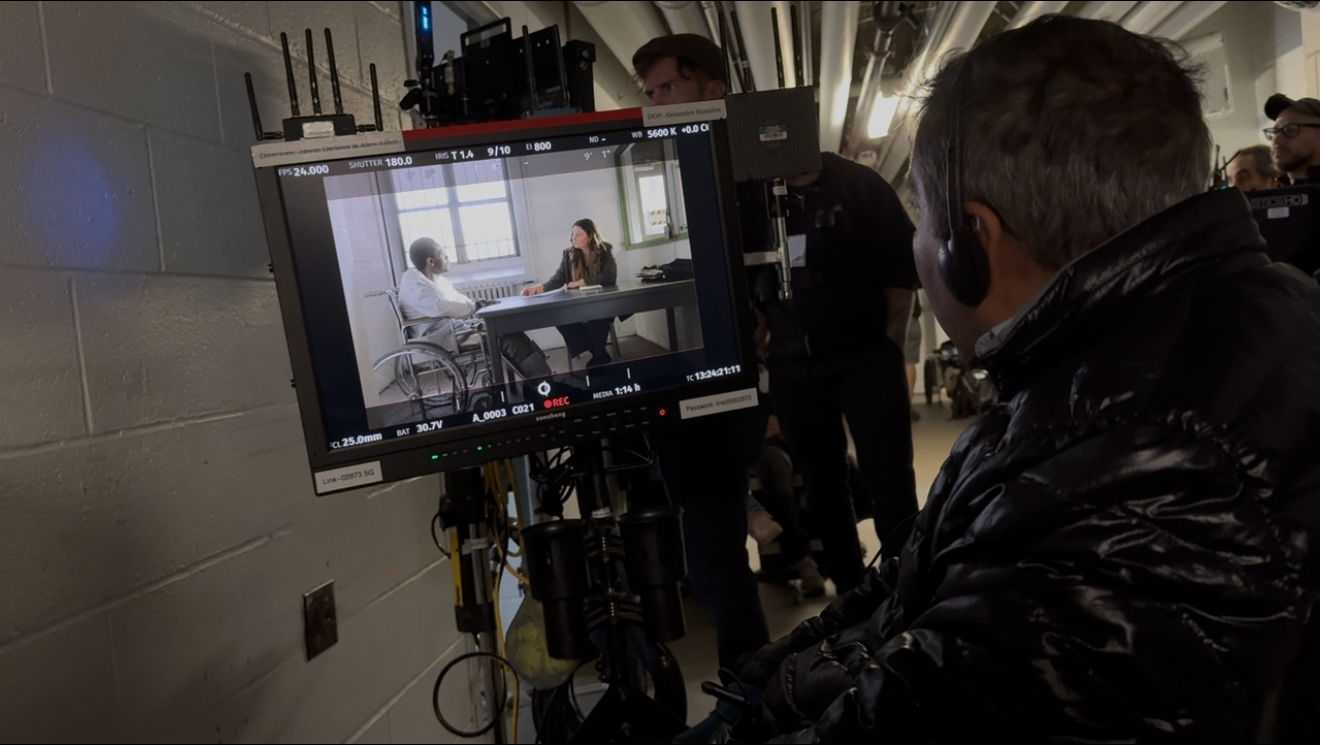
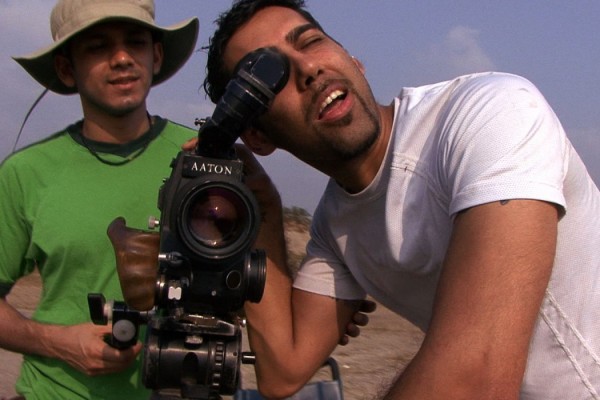
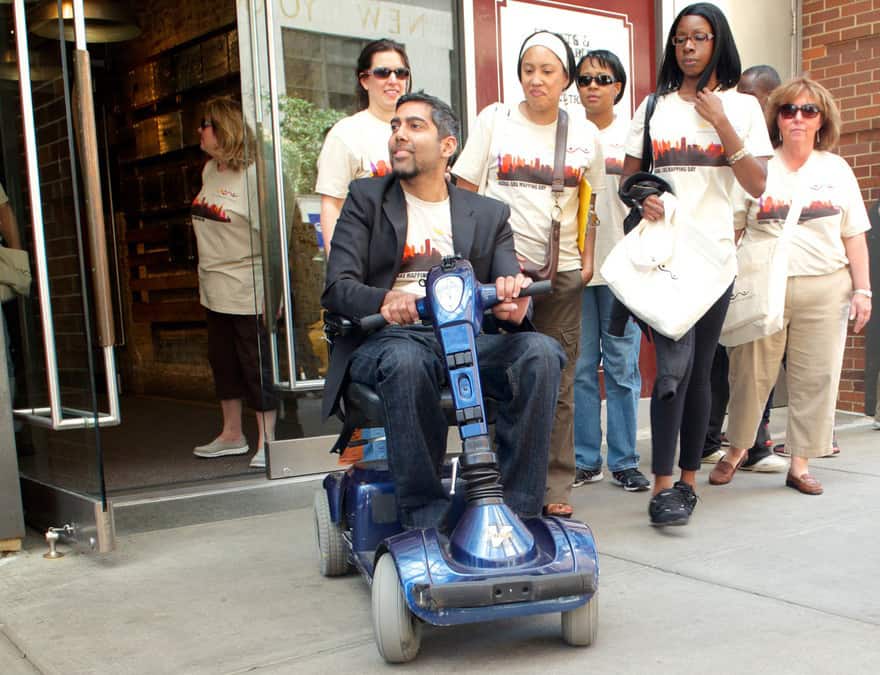
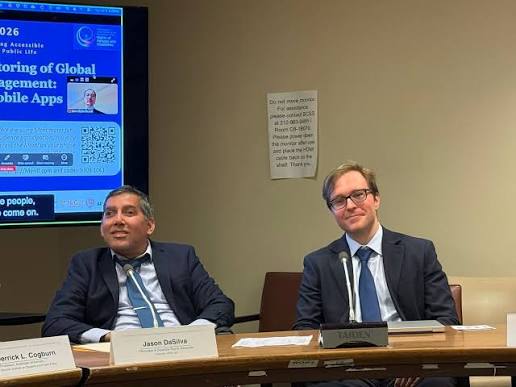
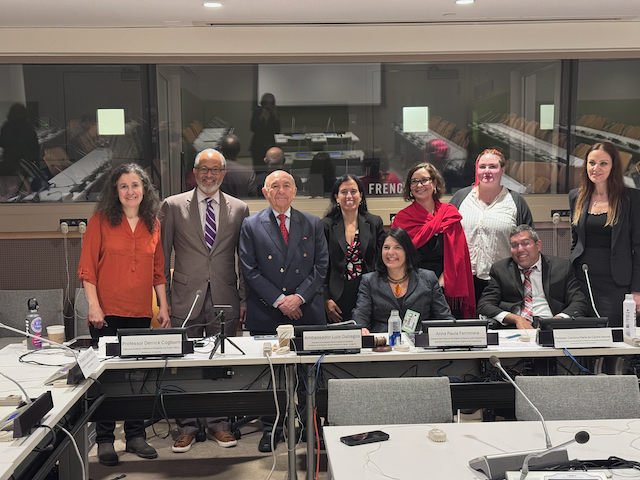

In an extensive interview with Profiles & Interviews (P&I), DaSilva reflected on the decision to turn the camera onto his personal story. “Turning the camera on myself was not an easy decision. I knew it would mean allowing people to witness some of the most frightening and vulnerable moments of my life as my disability progressed. But I also knew that if I was honest about what was happening to me, the film could become about more than my own decline. I hoped audiences would see the person beyond the disability: the fear, the determination, the humor, and the need to keep living a meaningful life even as everything changes.”
When We Walk premiered at Hot Docs (2019) and later won Best Documentary at the Center for Asian American Media's CAAMFest. DaSilva has continued the story since, including with the NOVA science documentary Predicting My MS (2022), which traced his effort to understand the origins of his own disease. His most recent short film Lost Opportunities (2026), returns to his fight to maintain a relationship with his son while navigating a court system shaped by ableism. It is a deeply personal examination of disability, parenthood and justice; it blends intimate footage, dark humor, and rotoscope animation. A new film on all aspects of his life with multiple sclerosis is in progress.
On Lost Opportunities, DaSilva has written “I am making this argument not only as the filmmaker, but as someone directly living through these experiences. As a quadriplegic father with primary progressive multiple sclerosis, I have spent years navigating the emotional and structural realities of parenting while disabled. The film is rooted in firsthand lived experience, which allows for a perspective rarely represented on screen with this level of intimacy and nuance.”
“Lost Opportunities does not argue that disability should exempt anyone from scrutiny; rather, it questions whether disabled parents are too often judged by assumptions and fear instead of by their actual parenting abilities, support systems, and relationships with their children,” he wrote.
What set the films apart, according to critics and disability advocates alike, was DaSilva's refusal to let MS become either a tragedy or a triumph of the human spirit.
Turning the story into a tool
DaSilva has said the idea for his best-known project outside filmmaking came from something small: trying, and failing, to find out in advance whether a restaurant or a friend's building would actually be reachable in a wheelchair.
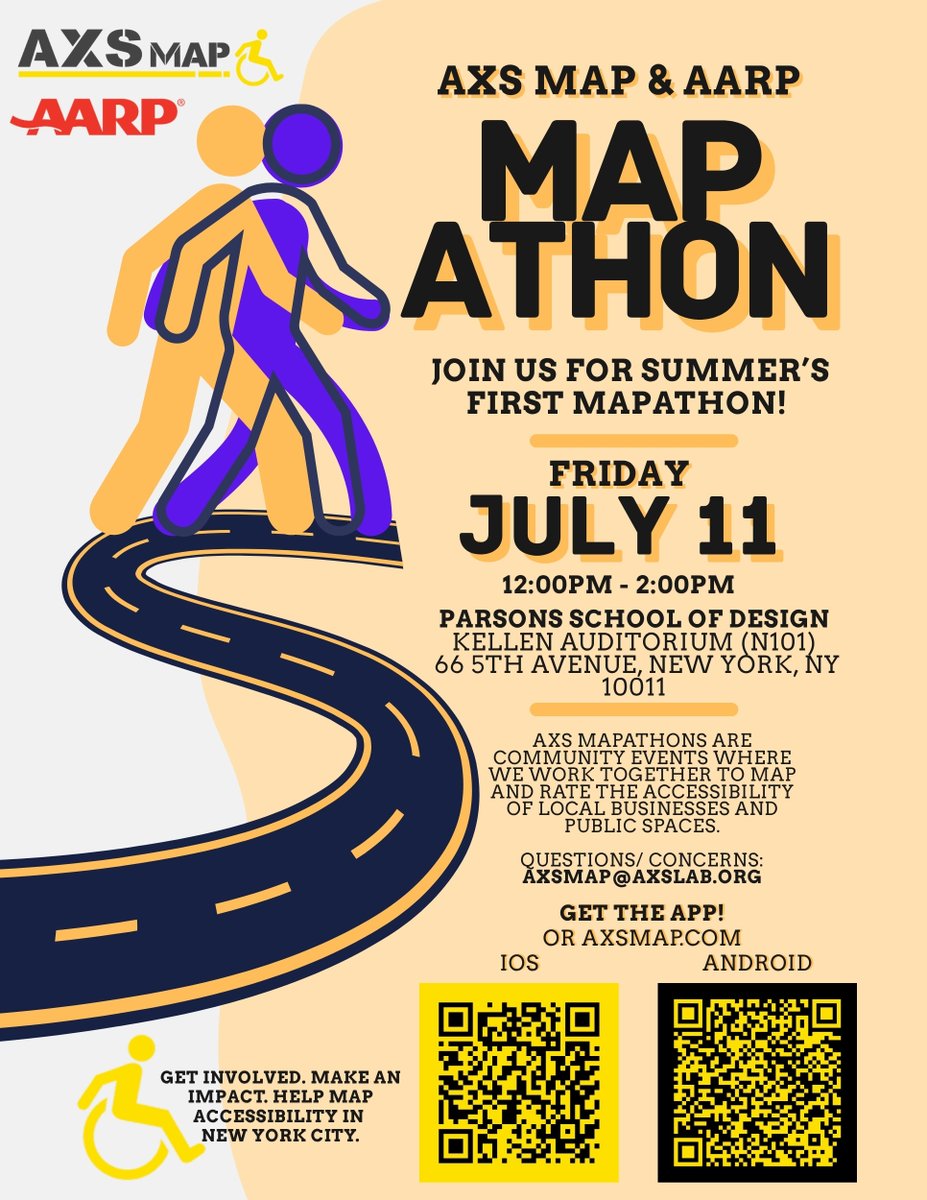
In 2009, he built AXS Map, a crowdsourced platform first conceived as a companion piece to his film project When I Walk that lets users rate the accessibility of businesses, restaurants, transit stops and public spaces. It would become, in AXS Lab's own description, the largest crowdsourced accessibility database in North America. It has contributions covering hundreds of thousands of locations gathered in part through in-person "Mapathons," community mapping events that have now been held in roughly 280 cities worldwide, drawing participation from volunteers, universities and corporate partners. Financial support includes Google, the United Nations, MS Society, Parsons University, New York City Mayor's Office of Media and Entertainment, Ford Foundation, and MacArthur Foundation.
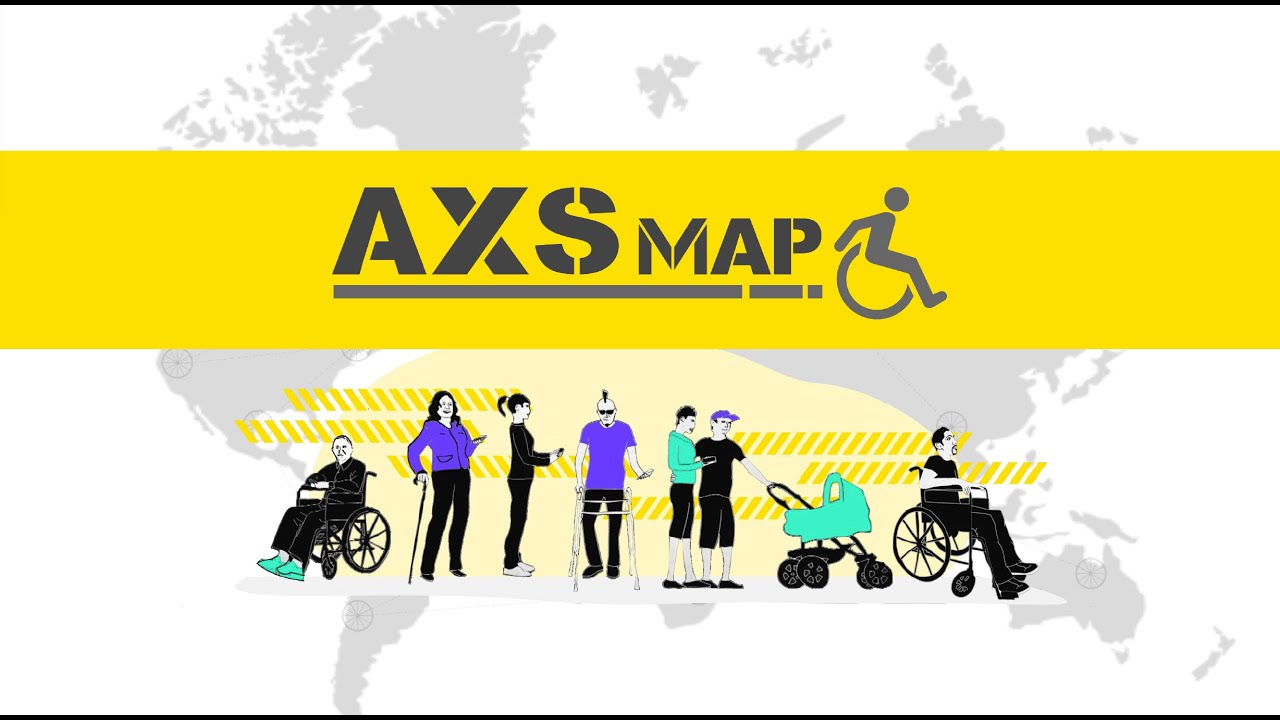
Since 2013, data generated through AXS Map has been cited in the United Nations' flagship report on Disability and Development, and the project has been recognized by the UN's Zero Project and awarded a Gold Telly for accessibility.
AXS Map operates under AXS Lab, the nonprofit DaSilva founded around 2008 with a mandate to use media and technology to advance disability inclusion, a mission that has since expanded into journalism.
DaSilva told P & I, “I built AXS Map because I was constantly running into accessibility barriers in my own daily life. I would arrive at a restaurant, store, or public space and discover that I could not get through the entrance, use the restroom, or move around independently. There was no reliable way to know beforehand. I wanted to create a tool where people living with disabilities could share real information with one another and make better decisions about where they go. AXS Map puts the carrot before the stick; it is not about forcing businesses to become accessible, but showing them that accessibility brings more people through their doors and giving them a real incentive to improve.”
Since 2013, DaSilva and AXS Lab have produced a series of short documentaries and columns for The New York Times' Op-Docs strand, including The Disability Trap, which examined the punishing state-by-state Medicaid rules that can trap disabled Americans in poverty in order to keep their benefits, and The Long Wait, which is about the lack of accessible transportation in New York City.
DaSilva said, “I see my journalism for The New York Times and my personal films as part of the same body of work. My Op-Docs allow me to respond to an immediate issue and bring a personal perspective to a larger public conversation, while my longer films give me the space to explore those experiences more deeply over time. In both, I use my own life as a way into broader questions about disability, family, independence, and how society treats people whose experiences are too often overlooked.”
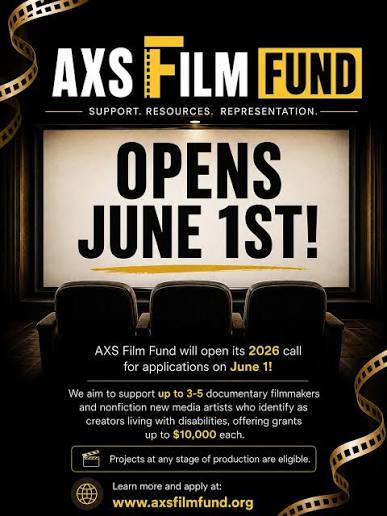
In 2021, AXS Lab launched the AXS Film Fund, a grantmaking program built specifically to support nonfiction filmmakers of color who are themselves disabled; a group DaSilva and others in the field have argued that it is a particularly steep climb to funding and industry access, which are the two forms of underrepresentation in documentary film. The Fund has awarded over $250,000 during a span of six years to such filmmakers of double minority status. Notable recipients have included the acclaimed documentary feature film Fire Through Dry Grass and Sticker Movie.
DaSilva's rise as a filmmaker has run alongside the growth of the institutions built to showcase works like his. ReelAbilities, founded in New York in 2007 by the Marlene Meyerson JCC Manhattan, has grown into the largest festival of its kind in the country, screening disability-related films across dozens of cities in the U.S. each year, with every screening captioned and many featuring audio description and Braille programs.
“Jason is one of the rare voices from the disability community that has broken through the noise and received some mainstream recognition. He uses his voice to share his personal perspective and advocate for inclusion for all.”
DaSilva has therefore been another sort of leader, bringing funders along to adopt and support his vision.
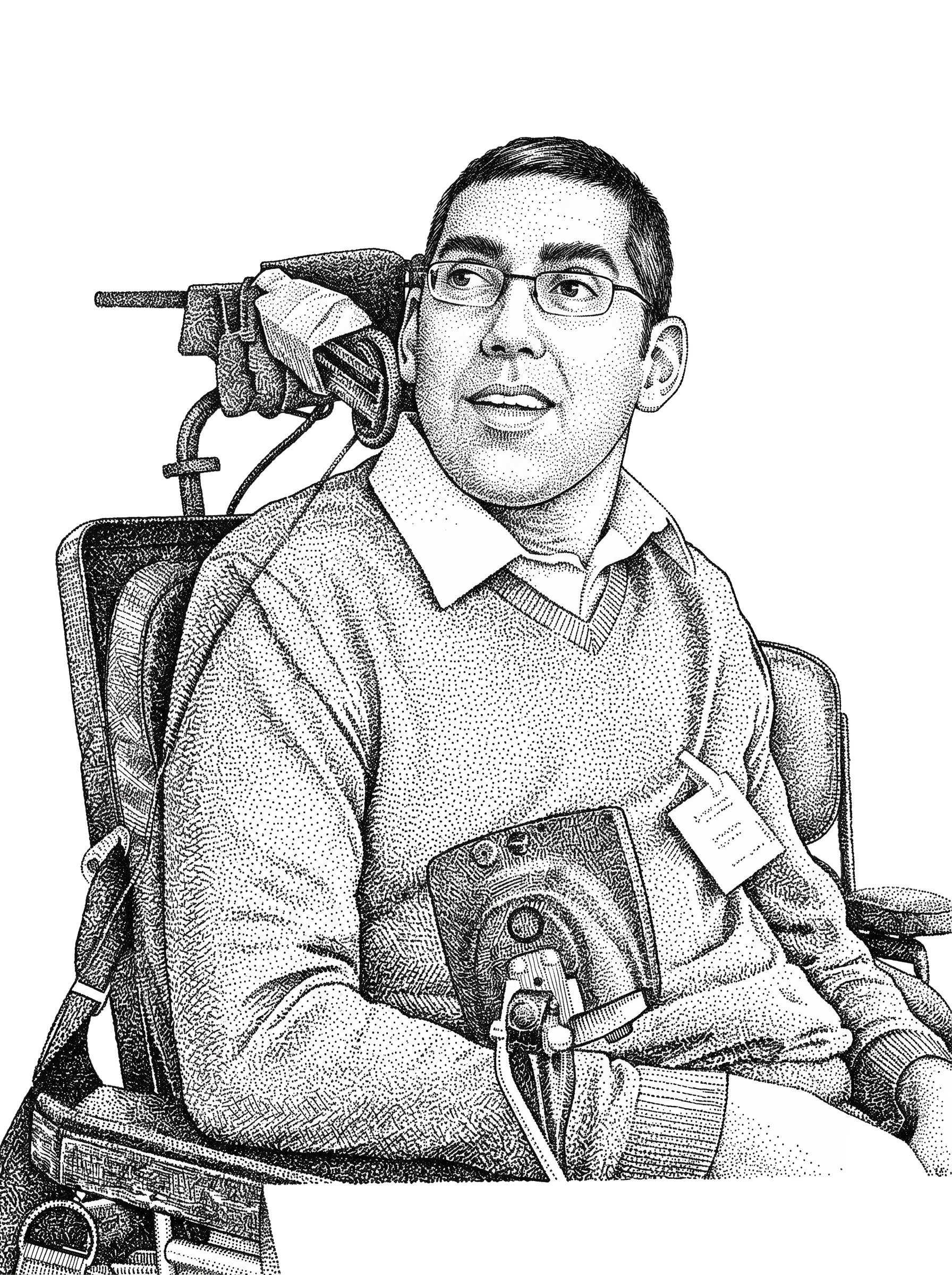
“Funding is never infinite, so I have learned to be very disciplined about where I put my time and energy. I may take a project one-eighth of the way, far enough to understand its potential, but if it becomes clear that it is not going to move forward, I do not keep pouring resources into it simply because I started it. That can be difficult, especially when you care deeply about the idea, but knowing when to step back is part of sustaining the work that truly matters.”
And now the long-game and the sustainability of his work is something that DaSilva, as his physical situation progresses, has had added reason to focus on and plan around, while sharing with others.
“That is something I hope to pass on to others, especially people living with disabilities. Our time and energy can be particularly precious, and we should be thoughtful about where we invest them. Ask whether the project is achievable, whether the support exists to carry it through, and whether it is truly something you want to pursue. Letting go of one idea is not always a failure; it can create space for the work you are actually meant to complete.”
Struggle and resilience
DaSilva told P & I, “Every day is a struggle. Like everyone else, I face challenges, failures, and moments when I question whether I can keep moving forward. But I also wake up every morning unable to get out of bed independently. Before I can begin my work, be a father, or make a film, I have to rely on someone else to help me start the day. That reality demands a particular kind of resilience: not the inspirational version people sometimes project onto disability, but the dark humor and practical resilience of continuing when the simplest parts of life are uncertain.”
Drawing on his fascinating family history, DaSilva adds “A great deal of that strength comes from my family history. My grandparents journeyed from Goa, India to Kenya, East Africa and eventually to North America, repeatedly rebuilding their lives without knowing whether things would work out. I grew up understanding that survival often means putting one foot in front of the other, even when you cannot see a clear path ahead. There have been real personal tolls in my life, and success does not erase them. I think about those losses and challenges constantly. But I also think about what my family endured and what they instilled in me: that you keep creating, keep fighting, and keep moving forward, not because you know it will be possible, but because stopping cannot be the only option.”
When asked who have been the rocks in his life, providing personal and professional support, DaSilva said, “My grandmother, my mom and dad, my two brothers, other family members, my personal assistants and care aides, and many colleagues, among them being Faye Ginsberg, Alice Elliot, Stanley Nelson and the late Christine Choi. I am lucky that I have a strong family and strong family roots.”
The long game
DaSilva's MS has continued to progress; his assistants and colleagues have supported him in spite of his physical challenges while he pushes forward with new works each year, a process he has described as slow but not one he intends to give up.
He has said he wakes some mornings frustrated by a body that will not do what his mind still wants, and has also been direct that he does not want that frustration mistaken for the whole of the story.
His films and video journals since When I Walk have widened outward, toward fatherhood, custody, bureaucracy and independence. That combination: a body of autobiographical work that treats disability as one part of a full life rather than its defining fact, a technology platform that has empowered people in major cities and fed into UN policy reporting, and a fund actively building the next generation of disabled filmmakers of color - is what people in the field point to when they describe DaSilva's impact. He built the infrastructure to live life more fully, and also to ensure others could tell their own stories too.
“Stories by people living with disabilities have historically gone unheard or have been told by someone else. Through my films and AXS Lab’s programs, I want to help people whose voices have been overlooked to gain the tools, support, and opportunities to tell their own stories. Those stories should reflect the full range of human experience: humor, love, ambition, anger, joy, and everything in between. My hope is that the next generation of filmmakers living with disabilities will be seen not as a separate category, but as fully rounded artists and members of society whose perspectives are essential to our culture.”
Related video. A selection of ceremony and interview clips.
29th Annual Gotham Film Awards, 2019
News & Documentary Emmy Awards, 2015
POV, 2013